
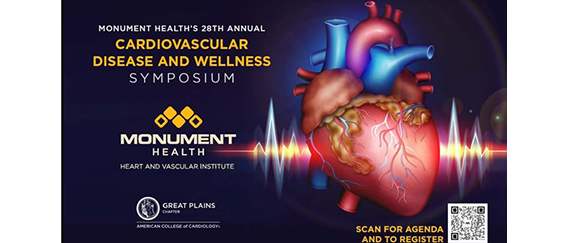
 Annual Chapter Symposium


 Latest in Cardiology from ACC.org
- Beyond the Tumor: Dyslipidemia Management in Patients With and Survivors of CancerASCVD prevention has historically targeted the general adult population, with survivors of cancer and patients with active cancer being underrepresented. Cancer and its therapies may increase cardiovascular (CV) risk and accelerate vascular disease through treatment-related dyslipidemia...
- ACCEL Lite: Antithrombotic Therapy After TAVIIn this episode, Deepak L. Bhatt MD, MPH, MBA, FACC and Øyvind H. Lie, MD, PhD, MSc examine the results of “ACASA-TAVI: Antithrombotic therapy after TAVIâ€.
- Whole-Grain Intake Tied to Improved Cardiometabolic Risk Factors in Meta-AnalysisHigher whole-grain intake was associated with improvements in multiple cardiometabolic risk factors in a meta-analysis of randomized trials published Sept. 15 in EHJ. The largest effects were generally seen at whole-grain intakes of about 60-100 g/day.
- Beyond Calcium: CTA Plaque Characteristics in South Asian Patients in the DILWALE RegistrySouth Asian (SA) individuals experience a disproportionate burden of premature atherosclerotic cardiovascular disease (ASCVD), and this excess risk is not fully explained by traditional risk factors.
- ACC Quality Summit Abstract Winners Explore AUC Discrepancies, Sex Differences in LAAO Outcomes, SDOH ScreeningWith a record-breaking number of abstract submissions, the quality improvement projects presented at ACC Quality Summit 2026 reflect an ongoing commitment to improve cardiovascular care through innovation, collaboration and quality. Read on for highlights from the top ePosters.